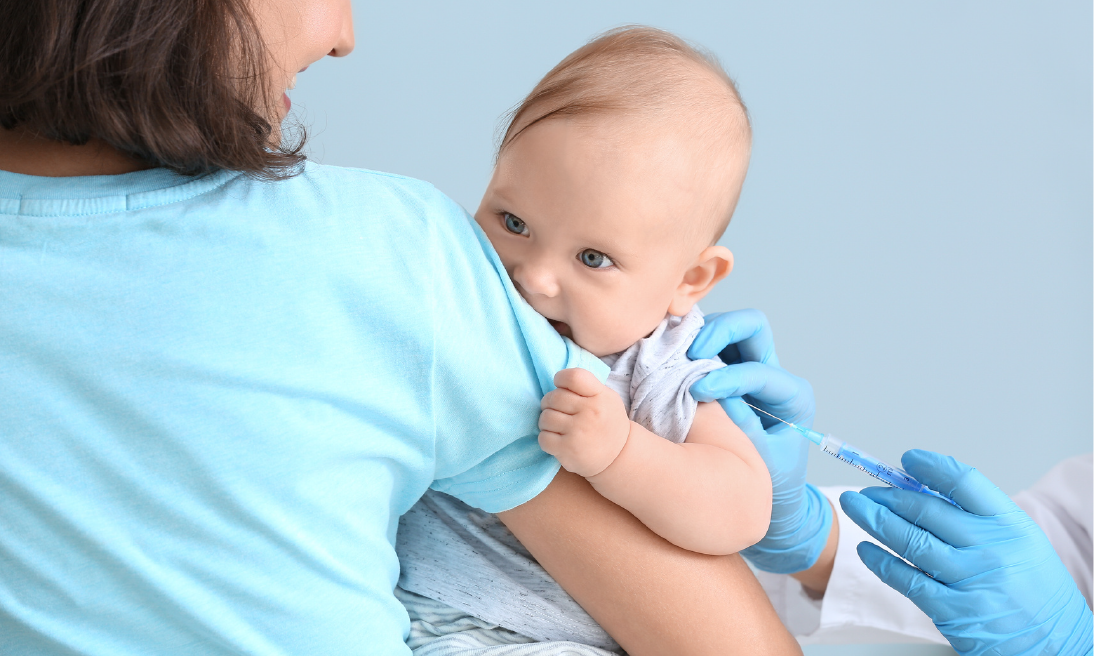
In January 2026, the Centers for Disease Control and Prevention (CDC) changed childhood vaccine recommendations for the first time in more than 30 years. If you're confused, anxious or frantically Googling at 2 AM—you're not alone.
Here's what changed, what it means for your child and what you need to do next.
Before January 2026:
The CDC recommended vaccines for 17 diseases for all children.
After January 2026:
- The CDC changed six of the 17 vaccines from 'recommended for all children' to 'recommended for high-risk children or when doctors and families decide together.' This is called shared decision-making.
- This leaves 11 vaccines recommended for all children by the CDC.
- However: 12 health care organizations, including the American Academy of Pediatrics, American Academy of Family Physicians, American Medical Association, and COPC, continue to follow the original schedule (17 vaccines for all children).
The 6 Vaccines That Changed
(And Why They Still Matter)
| Disease | How it Spreads | Why it Matters |
| RSV | Respiratory droplets, surfaces | Reduces hospitalization by up to 92% |
| Hepatitis A | Contaminated food/water | 17,500 illnesses and 75 deaths annually in US – vaccine >80% effective in preventing illness |
| Hepatitis B | Blood, bodily fluids | 90% of infected babies get chronic infection → liver cancer later. Vaccination has reduced childhood Hep B infections by 99% since introduction in 1991. |
| Meningococcus | Close contact, shared drinks | One of the deadliest infections, killing up to 15% of those infected. 1 in 5 of those that survive have permanent disabilities |
| Rotavirus | Fecal-oral (highly contagious) | Reduces chance of hospitalization by up to 96% |
| Flu | Respiratory droplets | 280 kids died last year (highest in a decade) & 90% were not vaccinated |
What the CDC changes DO NOT mean:
- These vaccines disappeared
- Insurance won't cover them
- Your doctor can't give them
What it DOES mean:
- COPC continues to have all 17 vaccines
- Insurance still covers them (100% at no cost)
- Your COPC physician will continue to recommend the vaccines that your child needs to stay healthy
Can My Child Still Get All 17 Vaccines?
Yes! Your child can still get all 17 vaccines. Every vaccine recommended before January 2026 is still available and fully covered by insurance.
This includes:
- Private insurance (Affordable Care Act plans)
- Medicaid
- Children's Health Insurance Program
- Vaccines for Children program
Will The Vaccine Schedule Overwhelm My Baby's Immune System?
No, and here’s why: Your baby's immune system handles thousands of antigens every single day from air, surfaces, food, and people. Vaccines contain about 10 antigens total.
The math:
- Old smallpox vaccine (one shot): 200 antigens
- Entire modern vaccine schedule: Fewer antigens than that single old vaccine
What research shows:
A 2018 study in the Journal of the American Medical Association involving more than 900 infants looked to see if vaccinated infants would be sick more often with other infections. The study found zero link between vaccines before age 2 and infections from other diseases.
Why the timing matters:
Babies get vaccines when they're most vulnerable to disease complications. Delaying vaccines means leaving them unprotected during the highest-risk period.
One more thing:
Kids who catch measles naturally have suppressed immune systems for months and sometimes, years afterward. The vaccine doesn't do that—the disease does.
Why Your Pediatrician Feels So Strongly About Vaccination
Health care providers aren't pushing vaccines because of pharmaceutical company pressures or incentives. They strongly recommend vaccines because they've seen what happens without them. They care about the health of their patients and the community.
The numbers:
Among kids born in the US between 1994-2023, routine vaccines prevented:
- 69, 589 illnesses
- 43,835 hospitalizations
- 150 deaths
EVERY SINGLE DAY.
When you vaccinate your kid, you protect:
- The baby in the waiting room who is too young for vaccines
- The kid undergoing cancer treatment who can't be vaccinated
- The elderly grandparent with a weakened immune system
Bottom line:
Your pediatrician's job is to keep your kid healthy. That is their #1 job. Vaccines are the most effective tool they have to do that.
What To Do Next
- Talk to your pediatrician. Bring this article if it helps. Ask questions and make a plan together.
- Learn more about vaccine-preventable diseases at https://www.healthychildren.org/English/health-issues/vaccine-preventable-diseases/Pages/default.aspx
- Share this article with other parents who might have questions.
Key Sources
- CDC. "2026 Recommended Immunizations for Children." CDC.gov. January 2026.
- American Academy of Pediatrics. "AAP Statement on Childhood Vaccinations." AAP.org. January 2026.
- Glanz JM, et al. "Association Between Estimated Cumulative Vaccine Antigen Exposure Through the First 23 Months of Life and Non-Vaccine-Targeted Infections." JAMA. 2018;319(9):906-913.
- CDC. "Benefits from Immunization During the Vaccines for Children Program Era — United States, 1994-2023." MMWR. 2024.
For more information:
- CDC Vaccine Schedules: www.cdc.gov/vaccines
- American Academy of Pediatrics: www.aap.org/immunization
- Vaccine Education Center: www.chop.edu/centers-programs/vaccine-education-center
Disclaimer: This article is for informational purposes only and is not medical advice. Consult your child's pediatrician for personalized guidance.